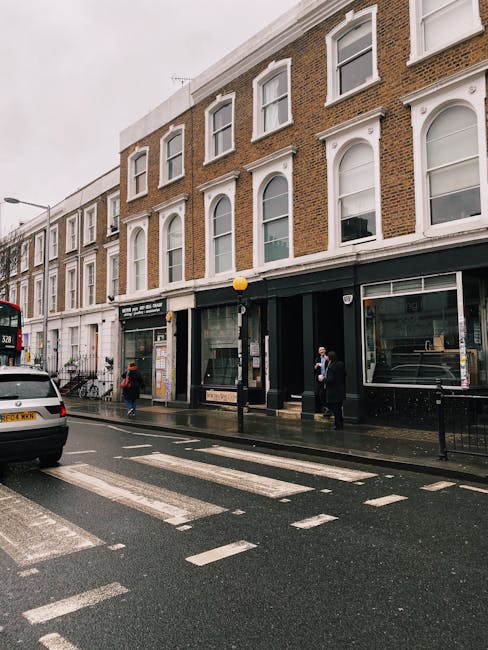
Gloucester Road removals for tight access moves South Kensington: a practical local guide
Moving in South Kensington is rarely a straight line from A to B. If you are dealing with narrow staircases, awkward mews entrances, resident bays, lift restrictions, or a property just off Gloucester Road with barely enough room to swing a suitcase, you already know the challenge. Gloucester Road removals for tight access moves South Kensington demand more than a big van and a couple of strong arms. They need planning, local judgement, and a removal team that understands how London access really works.
This guide breaks down what tight access moving involves, why it matters, and how to make the whole process smoother. Whether you are moving from a mansion flat, a top-floor conversion, or a compact office near the station, you will find practical steps here that help you avoid the classic problems: blocked corridors, damaged furniture, stressed neighbours, and that horrible moment when a sofa turns sideways and simply refuses to budge. To be fair, it happens more often than people admit.
If you want a broader view of the services available locally, you may also find the removal services overview useful, along with the page for removals in South Kensington and the dedicated flat removals service.
Table of Contents
- Why Gloucester Road removals for tight access moves South Kensington Matters
- How Gloucester Road removals for tight access moves South Kensington Works
- Key Benefits and Practical Advantages
- Who This Is For and When It Makes Sense
- Step-by-Step Guidance
- Expert Tips for Better Results
- Common Mistakes to Avoid
- Tools, Resources and Recommendations
- Law, Compliance, Standards, or Best Practice
- Options, Methods, or Comparison Table
- Case Study or Real-World Example
- Practical Checklist
- Conclusion
- Frequently Asked Questions
Why Gloucester Road removals for tight access moves South Kensington Matters
Gloucester Road and the surrounding South Kensington streets are busy, elegant, and often restrictive. The area has a mix of period apartments, converted townhouses, basement flats, mansion blocks, and commercial spaces that were never designed with modern removal vehicles in mind. That is the heart of the problem. A move can look straightforward on paper and still become complicated as soon as you arrive at the kerb.
Tight access affects almost every stage of the move. Parking can be limited. Walkways may be narrow. Stairs can be steep or twist sharply. Lifts may be tiny, slow, or unavailable at certain times. And if you are moving furniture from a top-floor flat, one awkward landing can slow the entire job down.
It matters because the wrong setup can create avoidable costs and avoidable damage. A team that turns up without checking access may need extra time, a smaller vehicle, additional labour, or even a shuttle arrangement. None of that is ideal when you are trying to move efficiently in central London. Good planning saves time, protects your belongings, and keeps the day calm enough that you can actually breathe.
There is also a neighbourliness factor. In South Kensington, people notice noise, blocked entrances, and prolonged loading. A neat, well-run removal is simply easier on everyone. That sounds small, but on a narrow street at 8:30 in the morning, it really is not.
Expert summary: Tight access moves succeed when the removal plan matches the building, the street, and the timing. In places like Gloucester Road, the access strategy matters almost as much as the van.
How Gloucester Road removals for tight access moves South Kensington Works
The best tight-access removals begin before moving day. A proper assessment looks at building entry points, corridor width, stair turns, lift size, parking availability, and the distance between the vehicle and the front door. If a sofa needs to pass through a cramped hallway and a sharp bend, the team should know that in advance, not while standing there sweating slightly and muttering under their breath.
In practice, the move usually follows one of a few patterns:
- Direct carry: the vehicle parks close enough for a short, controlled walk to the property.
- Staged loading: items are moved from the property to a secure holding point, then loaded in phases.
- Shuttle move: a larger vehicle may park further away while a smaller van handles the final leg.
- Split team approach: one group manages packing or lifting inside, while another handles vehicle loading and route control.
The right method depends on the access reality rather than preference. A compact man and van in South Kensington setup may be ideal for lighter loads, while larger household moves may need a more structured approach with a suitable removal van and careful loading sequence.
In a tight-access move, the packing method matters too. Fragile pieces should be ready to carry without rehandling. Bulky items may need partial dismantling. And if there is a piano, that becomes its own little project altogether; the dedicated piano removals service exists for a reason.
What a good site assessment should cover
- Door widths, corridor bends, stair turns, and lift dimensions
- Parking restrictions and likely loading points
- Timing constraints from building management or neighbours
- Whether items need dismantling before collection
- Any delicate surfaces, glass, or antique furniture that need extra protection
- Access for the destination address as well as the collection point
That last point gets missed surprisingly often. A move is not just about getting out of one property. It is also about getting into the next one without drama. Truth be told, that second part is where many delays begin.
Key Benefits and Practical Advantages
When a move is planned properly for tight access, the benefits are not just operational. They are emotional too. You feel less rushed. You make fewer decisions under pressure. And the whole day has a better rhythm.
1. Less damage risk
A narrow route increases the chance of knocks, scrapes, and corner damage. With the right measurements and handling plan, furniture is protected properly and the load order is adjusted to fit the property rather than forcing the property to fit the load.
2. Better time control
In central London, time is tied to parking, building access, and coordination. A well-run tight-access move reduces the back-and-forth that can eat up hours. Even a small gain matters when traffic is building and the lift is only available for a short window.
3. Lower stress for residents and neighbours
Less corridor congestion. Less waiting around. Less noise. A tidy removal is usually a kinder one, especially in a densely populated area like South Kensington.
4. Smarter use of labour
Experienced removers know when to split an item, when to angle it, and when to stop and rethink. That kind of judgement is not glamorous, but it saves energy and avoids careless mistakes.
5. Better value overall
It might sound counterintuitive, but a slightly more carefully planned move can be cheaper than a rushed one. Why? Because fewer delays usually means fewer added charges, less breakage, and less need for repeat trips. If you are comparing costs, the pricing and quotes page is a useful place to understand how estimates are usually framed.
Who This Is For and When It Makes Sense
This kind of service is not only for grand moves or awkward buildings. It is for anyone whose property access makes a normal removal harder than it should be.
- Tenants moving from upper-floor flats with tight staircases
- Homeowners in period buildings with narrow entrances
- People moving into or out of basement flats
- Students with compact furniture and little time to spare
- Office teams moving between small Kensington premises
- Anyone with fragile, heavy, or awkward items that do not like being carried around corners
It also makes sense if you are short on time. A lot of clients do not realise until the week before that access is going to be the real challenge. That is when same-day removals in South Kensington can become relevant, although it is always better to plan early if possible.
If you are moving a smaller load, a man with a van in South Kensington or the slightly broader man with van option may be enough. For larger or more complex moves, the more structured house removals service may be the better fit.
If you are in a flat rather than a house, and especially if your building has awkward internal access, the flat removals service is the one to look at first.
Step-by-Step Guidance
Here is a practical way to handle a Gloucester Road move with tight access, without overcomplicating it.
Step 1: Measure the route
Check door widths, hallway bends, stair landings, lift dimensions, and any low ceilings or awkward corners. Do not guess. A tape measure is far more persuasive than optimism.
Step 2: Map the vehicle parking point
Look at where the removal van can legally stop, how far it is from the entrance, and whether the route includes one-way streets or loading restrictions. In South Kensington, small timing errors can quickly become big annoyances.
Step 3: Identify awkward items early
List the pieces that may need dismantling, special handling, or extra protection. Sofas, wardrobes, mirrors, artwork, desks, and white goods usually deserve a closer look.
Step 4: Pack for carrying, not just for storage
Boxes should be taped securely and clearly labelled. Fragile items need to be ready for controlled lifting. For practical packing help, the packing and boxes page is worth a look, along with the separate packaging and boxes information.
Step 5: Book the right level of service
Be honest about the difficulty. A modest move with tricky access may still need a more experienced team than a larger move with easy access. It is the route, not only the volume, that sets the tone.
Step 6: Confirm timing and building rules
Some buildings require advance notice, booking slots for lifts, or protected floor coverings. If you are unsure, check with your building manager before moving day. A five-minute conversation can save a very long morning.
Step 7: Leave room for the unexpected
Even a solid plan can be affected by traffic, parking issues, or a delayed handover at the new property. Keep a small buffer in the schedule. It helps more than people expect.
Expert Tips for Better Results
Here is the sort of advice that tends to make a real difference on the day, not just in theory.
- Photograph tight corners and staircases before the move. It helps everyone understand what they are walking into.
- Disassemble bulky furniture early rather than waiting until the van is outside.
- Protect floors and banisters in advance where needed, especially in period properties.
- Keep essentials separate so you are not hunting for toothbrushes, chargers, or keys in a sea of boxes.
- Label by room and priority, not only by item type.
- Reserve a realistic unloading window at the destination, especially if access is shared.
One small but useful tip: if a piece looks borderline too large, do not let the team find out only once it is halfway down the stairs. That is the point where everyone goes quiet. Best avoided.
If you want reassurance about who is handling your belongings and how they are protected, review the insurance and safety information. For service background and company context, the about us page is also helpful.
Common Mistakes to Avoid
Most tight-access problems are preventable. The trouble is, people often only realise what they missed once the van is already parked outside.
Underestimating measurements
"It should fit" is not the same as "it does fit." A few centimetres can decide whether a wardrobe moves in one piece or not at all.
Ignoring the destination access
People often focus on getting items out of the old property and forget the new one may be just as awkward. If the new flat has a narrow stairwell and no parking, you need a plan for both ends.
Packing too heavily
Overfilled boxes are miserable to carry, especially up stairs. They can split, wobble, or become unsafe for the person lifting them. Keep weight sensible. Your back will thank you.
Leaving fragile items unprotected
Glass, lamps, artwork, and electronics need more than a thin layer of hope. Use proper padding and clear labelling.
Choosing the wrong vehicle size
A van that is too large for the street may create parking trouble, while one that is too small may need extra trips. The sweet spot depends on access, not just quantity.
Not allowing extra time
Tight-access moves often take longer than standard ones. A rushed schedule increases the chance of mistakes. Better to be a bit generous with time than painfully optimistic.
Tools, Resources and Recommendations
You do not need a warehouse full of equipment, but a few practical tools make tight-access removals much easier.
- Tape measure for doors, furniture, stair widths, and lift openings
- Labels and marker pens for room-by-room sorting
- Furniture blankets and stretch wrap for protection
- Strong boxes and heavy-duty tape for secure packing
- Dismantling tools for beds, tables, and modular furniture
- Gloves and basic lifting aids where appropriate
- Mobile phone photos for access routes and anything that needs to be shown to the removal team
For larger storage gaps, it can also be helpful to consider storage in South Kensington. This is especially useful if completion dates do not align or if you need to stage the move over more than one day.
For students, smaller household moves, or short-distance local jobs, the right-sized vehicle and a straightforward service can be enough. The student removals page is worth noting if your move is light but time-sensitive.
And if you are trying to work out which service matches your situation, the broader removal services page gives a sensible overview.
Law, Compliance, Standards, or Best Practice
Tight access removals in South Kensington do not usually involve complex legal issues, but there are still important practical and compliance considerations. The main ones are parking, building access, health and safety, and data/privacy when booking online or requesting a quote.
In London, parking and loading arrangements can vary street by street, and local restrictions may apply. It is wise to check the relevant rules in advance rather than assume a van can stop wherever is convenient. Building management may also have their own requirements, such as booking lifts, protecting communal areas, or keeping noise to agreed hours.
From a safety perspective, removals should follow sensible manual handling practice. That means not forcing unsafe lifts, using enough people for bulky items, and taking care around stairs, door frames, and uneven surfaces. The health and safety policy explains the approach in more detail.
If you are getting a quote or sharing personal details, it is also sensible to review the website's privacy policy, terms and conditions, and payment and security information. Nothing glamorous there, granted, but it does matter.
For environmentally conscious moves, ask about recycling and waste handling. The recycling and sustainability page is a useful reference if you want to reduce waste during the move.
Options, Methods, or Comparison Table
Not every move needs the same setup. Here is a simple comparison to help you think through the options.
| Method | Best for | Strengths | Limitations |
|---|---|---|---|
| Man and van | Smaller moves, short distances, lighter loads | Flexible, cost-effective, easy to schedule | May need more trips for larger moves |
| Dedicated removal van | Medium to larger household moves | Better capacity, more structured loading | Parking and access planning becomes more important |
| Shuttle or split-load approach | Very tight access or restricted streets | Handles awkward streets and narrow entrances well | Can take longer and may cost more |
| Full removals team | Complex properties, bulky furniture, higher-value items | More hands, stronger coordination, better for delicate items | Usually the most involved option |
There is no single best method. There is only the method that fits the property, the street, and the load. That sounds obvious, but in removals it is genuinely the difference between a smooth day and a tedious one.
If you are comparing broader provider options, the removal companies page may help you understand the kinds of services available locally.
Case Study or Real-World Example
Here is a realistic example based on the kind of move people often face near Gloucester Road.
A couple was moving from a second-floor flat just off Gloucester Road into another South Kensington property. The collection address had a narrow staircase with one awkward turn at the landing, and the street outside allowed only a short loading window. The new place was only a few roads away, which sounds easy, but the access at both ends was the real challenge.
Instead of loading everything at once, the move was split into phases. Fragile items were packed first and carried separately. A wardrobe was dismantled in advance. Soft furnishings were protected with covers. The team parked as close as they could, kept the route clear, and avoided piling boxes in the hallway. It was not flashy. It was just well thought through.
The result? No damage, less waiting, and no last-minute panic about a sofa that would not clear the turn. The couple were mainly relieved, which is usually a good sign. Not exactly thrilling, but then moving house rarely is.
That kind of outcome is not luck. It comes from matching the method to the building and being honest about access from the start.
Practical Checklist
Use this before your move if you want to keep things sensible.
- Measure doors, hallways, staircases, and lift openings
- Check parking and loading restrictions at both addresses
- Identify bulky, fragile, or high-value items
- Disassemble furniture that may not fit in one piece
- Book the right vehicle size for the route, not just the volume
- Confirm building access times, lift bookings, and any protective requirements
- Label boxes by room and priority
- Keep essentials separate for easy access on arrival
- Review safety, insurance, and terms before booking
- Allow extra time for London traffic and access delays
Quick reminder: if one part of the route feels questionable, treat it as a planning issue now rather than a problem on moving day. That small bit of caution usually pays for itself.
Conclusion
Gloucester Road removals for tight access moves South Kensington are all about preparation, patience, and the right local approach. The streets are elegant, but they are not always forgiving. Narrow entrances, limited parking, and tricky staircases can make even a modest move feel more complex than expected.
The good news is that tight access does not have to mean a stressful move. With accurate measurements, careful packing, realistic timing, and a service that understands the local layout, the whole process becomes much more manageable. You do not need perfection. You just need a plan that fits the property, the street, and the items you are moving.
If you are still weighing up your options, it is worth taking a moment to look through the relevant service pages, compare the approach, and ask questions before moving day arrives. A few careful choices now can save a lot of hassle later. And honestly, that is usually the best kind of moving day: quiet, organised, and done before lunch if you are lucky.
Get a free quote today and see how much you can save.
If you would like to speak with a local team, the contact page is the easiest next step.
Frequently Asked Questions
What does tight access mean in a South Kensington removal?
Tight access usually means the property, street, or building creates obstacles for moving furniture and boxes. That might include narrow staircases, small lifts, restricted parking, awkward turns, or a long carry from the van to the entrance.
Is Gloucester Road difficult for removals?
It can be, depending on the exact property and time of day. Gloucester Road is busy and the surrounding streets often have parking controls, shared entrances, and period layouts that need proper planning.
Do I need a special service for a flat move with awkward stairs?
Often, yes. A standard van may be fine for access, but the moving method should reflect the staircase, hallway width, and furniture size. A flat removals service is usually a better fit than a generic transport-only option.
How do I know what size van I need?
Start with the volume of items, then factor in access. A bigger van is not always better if the street is tight or parking is limited. The right vehicle is the one that can load efficiently without creating access problems.
Can a man and van handle tight access moves?
Yes, if the load is manageable and the team is experienced with local access issues. For smaller or lighter moves, a man with a van in South Kensington can be a good practical choice.
Should I dismantle furniture before the movers arrive?
If possible, yes. Beds, wardrobes, and large tables are much easier to move when partially dismantled. It reduces the risk of damage and often saves time on the day.
What if there is no parking right outside the property?
Then the move needs to be planned around the actual parking reality. That may mean a shuttle approach, a shorter loading window, or a smaller vehicle. Parking is often the hidden bottleneck in London removals.
Are same-day removals possible in South Kensington?
They can be, depending on availability and the complexity of the move. For straightforward or urgent jobs, same-day removals may be suitable, but it is always better to check early.
How should I protect fragile items during a tight-access move?
Use proper boxes, padding, and clear labels. Keep fragile items separate from heavy ones and make sure they can be carried safely without repeated repacking.
Do I need insurance for a local removal?
It is sensible to understand what cover is included. Even careful removals can involve risk, especially in tight spaces. Review the provider's insurance and safety information before booking.
What should I ask a removal company before booking?
Ask how they handle narrow staircases, parking restrictions, insurance, timing, and bulky furniture. Also ask whether they have experience with local South Kensington access issues. Those answers usually tell you a lot.
Can storage help if my move dates do not line up?
Yes. Storage can be a very practical bridge if completion dates, key collection, or access windows do not align neatly. It is one of those boring solutions that becomes wonderfully useful when things get messy.
How far in advance should I book a tight-access move?
As early as you can, especially if the move is during a busy period or requires special access planning. Early booking gives you more flexibility with timing and vehicle choice.
What is the best next step if I am not sure my property is difficult to move from?
Take a few photos, measure the main access points, and speak to a local removal team before the move date. A quick assessment often clarifies whether you need a simple van hire, a full removals service, or something in between.